Hand Lever Valves are used to operate Pneumatic Cylinders. In the absence of electrical supply, manually operated valves such as Hand Lever Valves are used. The functioning is the same, however, the solenoid coil is replaced by a hand lever, which controls the movement of the spool inside the valve, thereby allowing the air to pass.
Although the basic function remains the same, pneumatic 5/2-way valves are available in uncountable design variations with regards to size, material, color, connection interfaces, etc. This is necessary to meet a wide range of requirements, such as medical use, food processing, dusty environments, explosive environments etc.
Most 5/2-way valves have a movable spool with seals along the length in a cylinder. The valve ports connect to this central cylinder. By moving the spool through the cylinder, the valve ports are connected or blocked. Furthermore, the valve can be direct operated or pilot operated. With direct operation, the actuator is directly connected to the spool. With pilot operation, the valve uses the inlet pressure to help move the spool. The valve contains a small internal pneumatic cylinder that actuates the spool.
FAQs – Airmax RM Series 5/3 Way Pneumatic Hand Lever Valve Spring Return / Detent:
1. How does a hand lever valve pneumatic improve control in industrial pneumatic systems?
A hand lever valve pneumatic provides precise manual or semi-automated control of air flow, ensuring reliable operation even in demanding pneumatic circuits.
2. Is the hand lever valve pneumatic suitable for high-pressure or harsh environments?
Yes, the hand lever valve pneumatic is designed to withstand high-pressure air and challenging industrial conditions, providing consistent and durable performance.
3. Does the hand lever valve pneumatic enhance operational safety?
A hand lever valve pneumatic improves safety by allowing controlled actuation and reducing the need for complex automation in sensitive areas.
4. Can the hand lever valve pneumatic be easily installed in compact layouts?
Yes, the compact design of a hand lever valve pneumatic allows quick installation in tight spaces while maintaining reliable and leak-free operation.

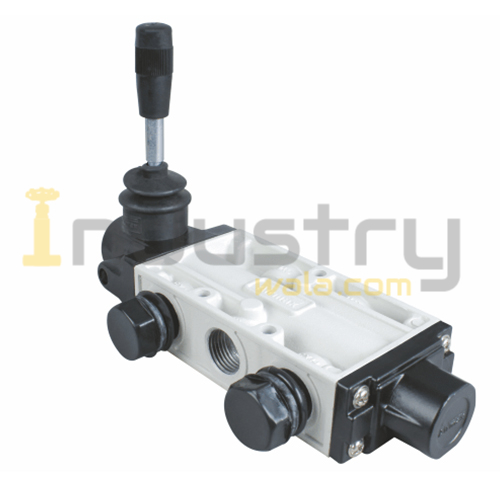

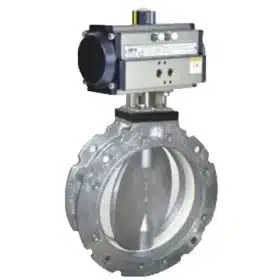
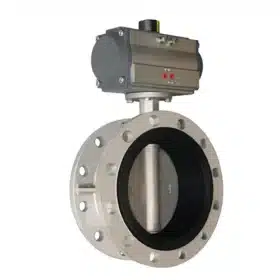
This CETOP-compatible hand lever valve stacks well in series with other directional controls on our subplate manifold. The manual operation is essential for system testing and manual overrides.
For general utility air and water isolation points, the standard brass hand lever valve is highly economical and efficient. Its simple design guarantees bubble-tight shutoff compared to globe valves
I used the open center hand lever valve for a fixed displacement pump system, minimizing energy consumption when idle. The valve’s low-pressure drop design maximizes flow to the actuators.
We needed a pressure-holding hand lever valve for single-acting clamps, and this model ensures zero leakage and creep.
The hydraulic monoblock hand lever valve handles our 315 bar system pressure flawlessly and features a built-in relief valve. The lever action is smooth and precise for operating large double-acting cylinders