

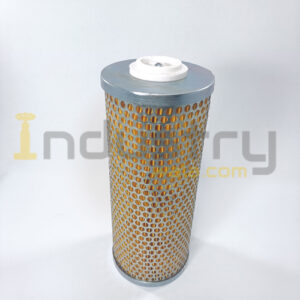
Hydraulic Filter Element TIE-06-25 Length 85mm and OD 65mm
Brand : Hydec / Jackteck
Outer Diameter : 65mm
Length : 85mm
₹289 ₹413 Exclusive GST
What Is a Hydraulic Filter?
A hydraulic filter is a component within a hydraulic system that removes damaging particulates by forcing hydraulic fluid through a porous filter element. The filter element catches contaminants and prevents them from re-entering the fluid flow and damaging other pieces of equipment further downstream. Contaminants range from dirt to water and reactive chemicals. Their size is on a scale of micrometers, meaning hydraulic filters must be properly sized to filter out even the smallest of particles.
Functions of Hydraulic Filters
Hydraulic filters are placed at various locations throughout a system to catch contaminants created at different points in the process. For ideal filtration, filters would be before and after the pump, in the return lines, off-line and within the reservoir.
Types of Hydraulic Filters
- Return lines: These filters are usually low pressure. They collect contaminants from the fluid as it returns to the reservoir and can be positioned along the return line or within the tank.
- Suction filters: Another example of a low-pressure filter, suction filters are placed at the pump inlet to ensure no contaminants enter the pump.
- Pressure lines: These filters are placed after the pump to keep expensive downstream components safe. Pressure filters have a high-pressure capability to remove internal contamination created within the system. This allows for individual component protection. Saving on downtime, maintenance and component repair or replacement costs.
- Off-lines: Also called kidney loops, these filters continue working even while the central hydraulic system is not working. An off-line filter draws the fluid from the reservoir and returns it after filtration. These filters are usually easier to maintain because of their placement within reach. Some popular types of off-line filters are the drum topper and portable filter cart, which can service multiple hydraulic systems. Another common kidney loop system is the Filter Panel. It can be mounted directly to the hydraulic system and provide 24/7 filtration if necessary.
FAQs – Hydraulic Filter Element TIE-06-25 Length 85mm and OD 65mm:
1. How does a Hydraulic Filter Element help maintain cleanliness in a hydraulic system?
A Hydraulic Filter Element removes contaminants such as dirt, metal particles, and sludge from the fluid, ensuring smooth and reliable hydraulic system performance.
2. Is this Hydraulic Filter Element suitable for protecting pumps, valves, and cylinders from premature wear?
Yes, the Hydraulic Filter Element effectively filters fine impurities, reducing component wear and extending the lifespan of pumps, valves, and actuators.
3. Does the efficiency of a Hydraulic Filter Element impact the overall hydraulic system pressure and flow?
Absolutely. A high-quality Hydraulic Filter Element ensures proper fluid flow and stable system pressure by preventing clogging and maintaining optimal filtration.
4. Can this Hydraulic Filter Element be used as a replacement in standard hydraulic filter housings?
Yes, the Hydraulic Filter Element with 85mm length and 65mm OD is designed to fit most compatible filter housings, making replacement quick and hassle-free.
5. How often should a Hydraulic Filter Element be replaced for best performance?
A Hydraulic Filter Element should be replaced based on operating hours, contamination level, or system load—typically every 500–2000 hours—to maintain peak hydraulic efficiency.
4 reviews for Hydraulic Filter Element TIE-06-25 Length 85mm and OD 65mm
 Hydraulic Filter Element TIE-06-25 Length 85mm and OD 65mm
We replaced our old filter with the Hydraulic Filter Element TIE-06-25, and the improvement is noticeable.
The TIE-06-25 hydraulic filter element fits perfectly due to its precise 85mm length and 65mm OD. Strong build, good filtration, and reliable performance.
This Hydraulic Filter Element TIE-06-25 is of very high quality. It removes fine contaminants effectively
I purchased the Hydraulic Filter Element TIE-06-25 and it works perfectly in our hydraulic system.