
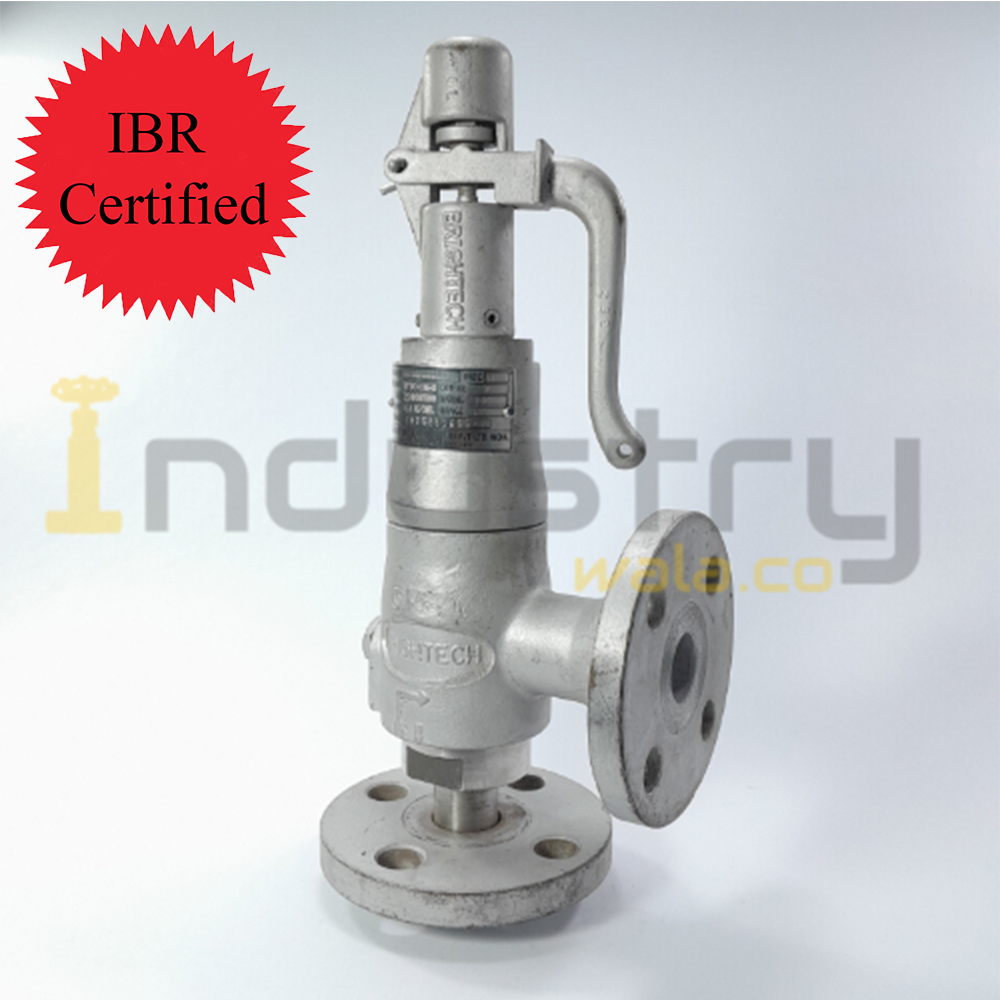
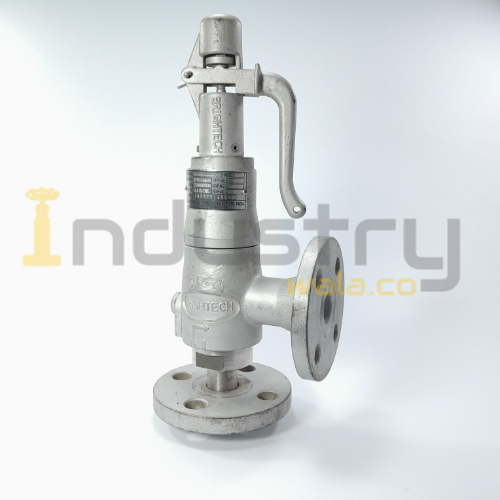
SS 304 IBR Certified Safety Valve Pop Type
IBR Certified
Each valve comes with individual IBR certificate
Brand: Aira
Body MOC: CF8
Working parts: CF8
Pressure: 0.5 to 6Kg/cm2
Temperature: Upto 300C
Seals: Metal to Metal
Media: Water/Steam/Oil
Ends: Screwed NPT
Price range: ₹5,989 through ₹9,504 Exclusive GST
You save (%)
The SS 304 IBR Certified Safety Valve Pop Type is a high-performance pressure safety device designed to protect industrial systems from overpressure conditions. This SS 304 IBR safety relief valve pop type ensures instant pressure release, safeguarding equipment, pipelines, and personnel in critical applications.
Manufactured from premium stainless steel 304, this IBR certified SS 304 pop type safety valve offers excellent corrosion resistance, durability, and reliable performance in high-temperature and high-pressure environments.
Overview-
The SS 304 IBR Certified Safety Valve operates on a pop-type mechanism that allows rapid opening when system pressure exceeds the preset limit. This ensures quick pressure release and prevents system failure or damage.
Industries planning to buy SS 304 safety valve pop type IBR prefer this valve for its accuracy, reliability, and compliance with Indian Boiler Regulations. It is also widely chosen by professionals comparing SS 304 safety relief valve price and SS 304 IBR safety valve price India pop type for cost-effective and high-performance safety solutions.
Key Features
- Premium SS 304 IBR Certified Safety Valve
- Designed as SS 304 IBR safety relief valve pop type
- Fast response pop-type mechanism for instant pressure release
- IBR certified for steam and boiler applications
- Durable stainless steel 304 construction
- High corrosion and temperature resistance
- Accurate pressure setting and reliable operation
- Easy installation and low maintenance
- Suitable for steam, gas, and fluid systems
Technical Specifications:-
- Product Type: Safety Valve (Pop Type)
- Material: Stainless Steel 304
- Certification: IBR Certified
- Operation: Automatic pressure relief
- Application: Steam, gas, and industrial fluids
- End Connection: Threaded / Flanged (as applicable)
Working Principle:
The SS 304 IBR Certified Safety Valve Pop Type operates automatically:
- System pressure increases beyond the set limit
- The valve opens instantly (pop action)
- Releases excess pressure rapidly
- Closes once pressure returns to safe levels
This ensures maximum safety and protection.
Applications
The SS 304 IBR Certified Safety Valve Pop Type is widely used in:
- Steam boilers and pressure vessels
- Power plants and thermal industries
- Chemical and petrochemical plants
- Oil and gas systems
- Industrial process equipment
Performance Benefits
- Provides instant overpressure protection
- Ensures safe and reliable system operation
- High durability and corrosion resistance
- Accurate and consistent performance
- Long service life with minimal maintenance
Conclusion
The SS 304 IBR Certified Safety Valve Pop Type is an essential solution for protecting industrial systems from overpressure hazards. With its strong stainless steel construction and IBR certification, it delivers reliable and efficient performance in critical applications.
If you are planning to buy SS 304 safety valve pop type IBR, this SS 304 IBR Certified Safety Valve is a dependable and high-performance choice.
FAQs – SS 304 IBR Certified Safety Valve Pop Type:
1. What applications is the SS 304 IBR Certified Safety Valve Pop Type best suited for?
The SS 304 IBR Certified Safety Valve Pop Type is ideal for steam, gas, and liquid systems in industrial plants, ensuring safe operation by preventing overpressure situations.
2. How does the pop-type mechanism of the Safety Valve Pop Type enhance performance?
The pop-type mechanism allows the valve to open rapidly at the set pressure, providing quick pressure relief and minimizing risk to the system.
3. Is the SS 304 construction of the Safety Valve Pop Type resistant to corrosion?
Yes, the SS 304 material ensures excellent corrosion resistance, making the Safety Valve Pop Type suitable for harsh environments and long-term usage.
4. Can the Safety Valve Pop Type be adjusted for different pressure settings?
Yes, the SS 304 Safety Valve Pop Type can be calibrated to specific pressure requirements, allowing flexibility in protecting various pressurized systems.
5. What maintenance practices are recommended for a SS 304 Safety Valve Pop Type?
Regular inspection, cleaning, and periodic testing of the Safety Valve Pop Type are recommended to maintain optimal performance and ensure safety compliance.
| SIZE |
|---|
5 reviews for SS 304 IBR Certified Safety Valve Pop Type
 SS 304 IBR Certified Safety Valve Pop Type
Related products
-
-
IBRIBR Certified Boiler Valves, Other IBR Certified Valves
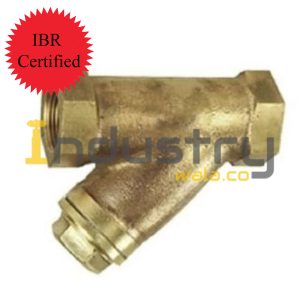
Bronze IBR Certified Y Type Strainer
IBR Certified
Each valve comes with individual IBR certificate
Brand: Quinn
Flanges as per BS-10 (Table H)
Hydraulic tested to 500 PSI (35Kg/cm2)
Suitable for Steam upto 250 PSI at working temperature of 225CSKU: f99928540369

This PRV works really well in my setup. The pressure stays steady, and the performance has been smooth from day one. A solid and reliable product for regular use.
I’m happy with this PRV. It responds quickly and maintains the desired pressure without any sudden fluctuations. Good quality and easy to install too.
The PRV does a great job of keeping the output pressure controlled. No leakage or noise, and the build feels sturdy. Works perfectly for my application.
I tried this PRV recently and it’s performing better than expected. Smooth pressure adjustment and the material seems durable. Good experience overall.
This PRV is definitely worth purchasing. The pressure regulation is accurate, and it holds up well even during long hours of operation. No issues so far.