
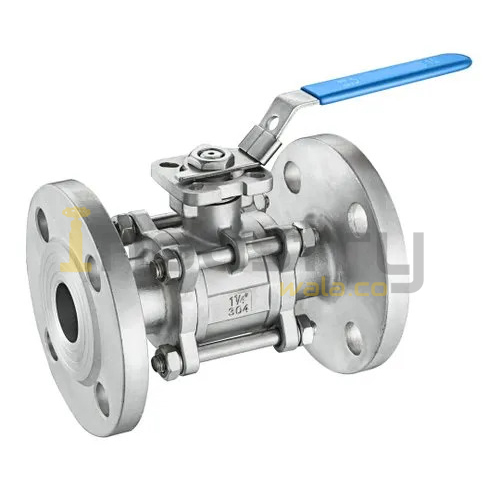
Industrial-Strength Mild Steel Ball Valve Class 150/300 Leave a comment
When it comes to dependable, high-pressure flow control in industrial piping systems, Mild Steel Ball Valve Class 150/300 units remain the backbone of process automation worldwide. From refineries and power plants to water treatment facilities and chemical processing units, these robust valves deliver unmatched shutoff precision, pressure integrity, and longevity at a competitive price point. This guide covers everything you need—from mild steel ball valve specifications to supplier selection—before making a confident purchase decision.
What Is a Mild Steel Ball Valve?
A Mild Steel Ball Valve uses a spherical rotating element (the “ball”) with a bore drilled through its center. When aligned with the pipe, full flow passes through; a quarter-turn rotation blocks it completely. Mild steel, also classified as low-carbon steel (ASTM A216 WCB), provides outstanding mechanical strength, weldability, and thermal stability—making it the preferred material for demanding industrial service.
Class 150 vs. Class 300: Key Differences
| Parameter | Class 150 | Class 300 |
|---|---|---|
| Max Working Pressure (at 38°C) | 19.6 bar (285 psi) | 51.1 bar (740 psi) |
| Wall Thickness | Standard | Heavy-duty |
| Typical Application | General service, water, HVAC | High-pressure gas, oil, steam |
| Cost Index | 1.0x (baseline) | 1.4–1.8x |
Understanding these distinctions is critical before you buy mild steel ball valve for any application.
Mild Steel Ball Valve Specifications: A Technical Deep Dive
Evaluating mild steel ball valve specifications demands attention to every critical parameter. Here is a complete technical breakdown:
Body & Bonnet Material: ASTM A216 WCB (carbon steel casting), with optional A216 WC6 for elevated-temperature service.
Ball & Stem Material: Carbon steel, 17-4PH stainless, or hard-faced (Stellite/Hardfacing) for erosive media.
Seat Material: PTFE (standard), reinforced PTFE, Nylon, or metal-to-metal seats for high-temperature or fire-safe applications.
Pressure–Temperature Ratings (per ASME B16.34):
- Class 150: Up to 19.6 bar at 38°C, derated at higher temperatures
- Class 300: Up to 51.1 bar at 38°C, with high-temperature derating per published tables
Temperature Range: −29°C to +425°C (−20°F to +800°F) for standard WCB; cryogenic grades available down to −196°C.
End Connections: Flanged (RF, RTJ), threaded (NPT/BSP), socket weld, butt weld.
Bore Options: Full bore (FB) and reduced bore (RB) — full bore offers lower pressure drop; reduced bore is more compact and cost-effective.
Standards Compliance: ASME B16.34, API 6D, ISO 15876, BS EN 1815, PED 2014/68/EU.
Actuation Interface: ISO 5211 mounting pad for pneumatic, electric, or hydraulic actuators.
Why Choose Mild Steel Ball Valves in 2026?
Proven Industrial Durability
When you order mild steel ball valve Class 150, you gain a product tested and refined over decades of industrial use. WCB cast steel tolerates mechanical shock, vibration, and thermal cycling far better than ductile iron or bronze alternatives.
Exceptional Shutoff Performance
Full-bore designs achieve zero-leakage shutoff rated to ISO 5208 Class A or API 598, making them essential for isolation duties in pipelines, vessels, and process loops.
Cost Advantage Over Stainless
The mild steel ball valve price is typically 40–60% lower than equivalent SS 304/316 valves. For non-corrosive or mildly corrosive fluids—water, air, steam, petroleum—mild steel delivers identical performance at a fraction of the cost.
Fire-Safe Certification
Many industrial-grade designs carry API 607 or ISO 10497 fire-safe certification, ensuring secondary metal seals activate during a fire to prevent fugitive emissions—a mandatory requirement for oil and gas installations.
Mild Steel Ball Valve Price: 2026 Market Breakdown
The mild steel ball valve price fluctuates based on size, class, bore type, end finish, and certifications. Below is a current, realistic pricing guide:
Class 150 — Full Bore, Flanged RF, WCB Body:
- DN25 (1″): $95–$175
- DN50 (2″): $185–$340
- DN80 (3″): $310–$540
- DN100 (4″): $480–$820
- DN150 (6″): $900–$1,550
- DN200 (8″): $1,600–$2,700
- DN300 (12″): $3,800–$6,200
Class 300 — Full Bore, Flanged RF (add 40–80% to Class 150 pricing)
Reduced Bore Variants (deduct 15–25% from full bore)
Threaded End (NPT) (deduct 20–30% from flanged pricing)
When you get mild steel ball valve quote, always request itemised breakdowns covering valve body, trim, gaskets, bolting, testing certificates, and actuator (if applicable).
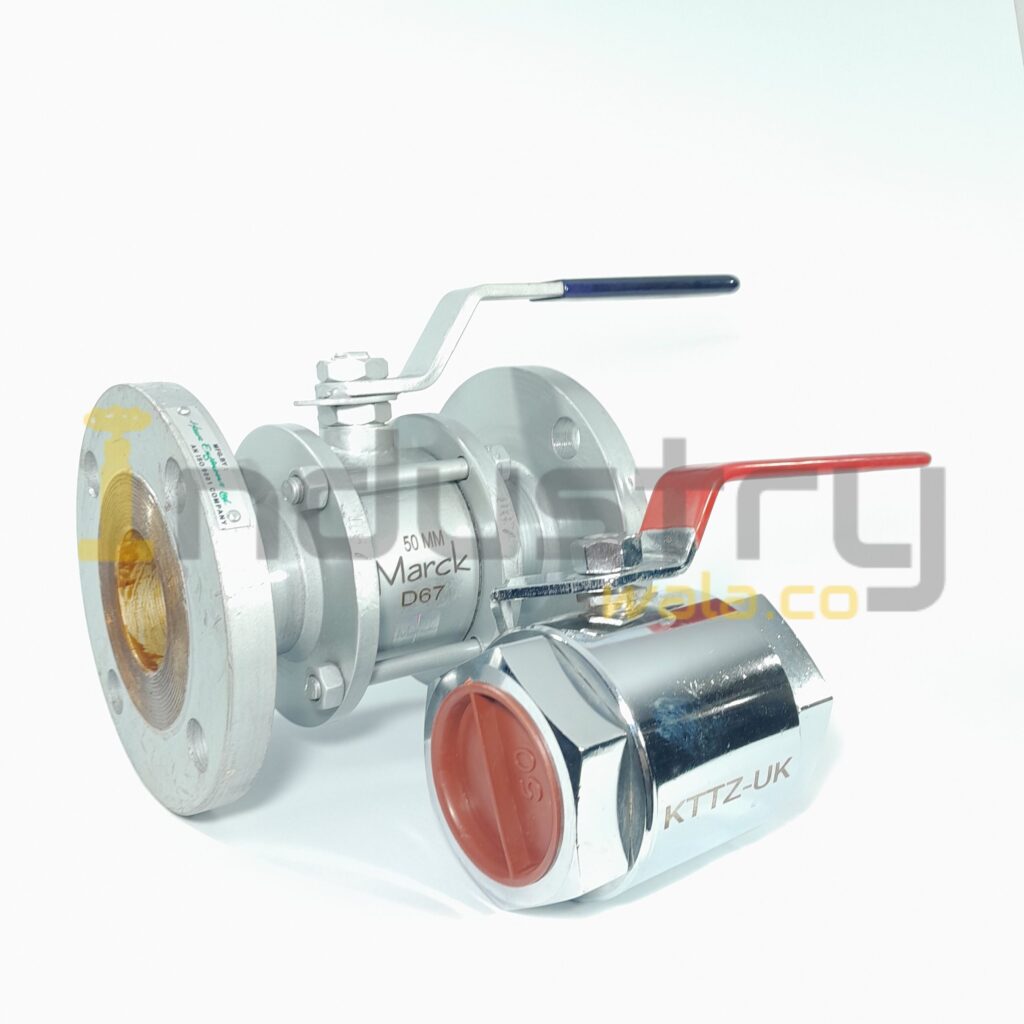
How to Find the Right MS Ball Valve Class 150 Supplier
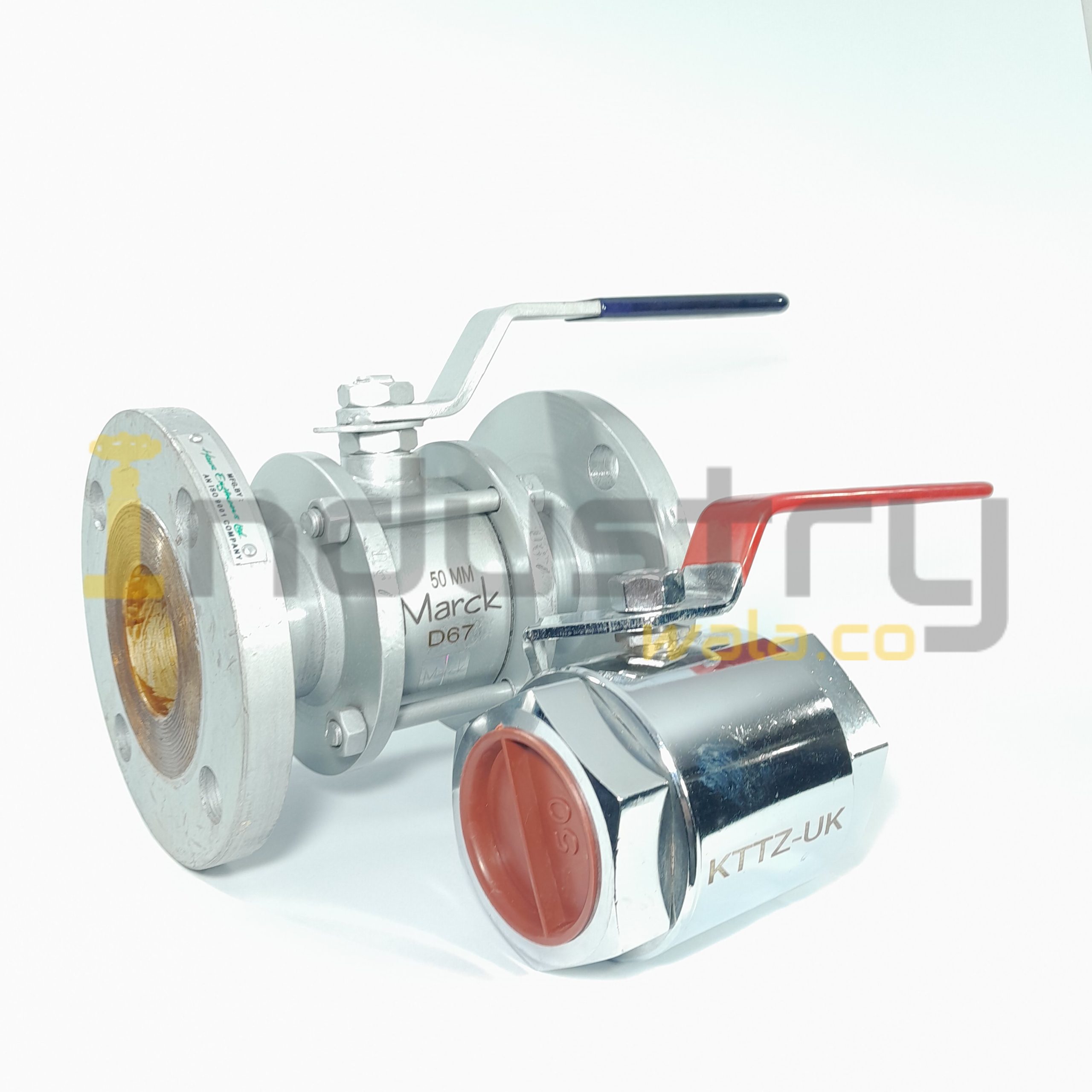
Choosing a trustworthy MS ball valve Class 150 supplier is as important as the valve itself. Here is exactly what to evaluate:
Manufacturing & Quality Certifications
- ISO 9001:2015 Quality Management System
- API 6D Monogram License (for pipeline-rated valves)
- PED Category III/IV authorization (European markets)
- Material Traceability per EN 10204 Type 3.1/3.2
Technical Support Capability
A qualified mild steel ball valve dealer should provide application engineering, sizing calculations, flow coefficient (Cv) analysis, and actuator recommendation — not just a product catalogue.
Testing & Documentation
Every valve shipped must include hydrostatic shell test certificates (1.5× rated pressure), seat leakage test reports per API 598, material test reports (MTR), and dimensional inspection data.
Warranty & After-Sales
Reputable suppliers back products with 18–24 month warranties, rapid spare parts fulfilment, and field commissioning support.
Step-by-Step: How to Buy Mild Steel Ball Valve
Step 1 — Define Application Requirements
Before you shop mild steel ball valves, document fluid type, operating pressure/temperature, pipe diameter, connection standard, actuation requirement (manual/automated), and required certifications.
Step 2 — Select Bore & Class
Match Class 150 or 300 to your maximum allowable working pressure. Choose full bore for low pressure-drop critical lines or reduced bore for space-limited, non-critical isolations.
Step 3 — Qualify Suppliers
Search for “mild steel ball valve for sale” with API 6D or ISO certification. Verify manufacturer reputation through references, case studies, or third-party audit records.
Step 4 — Request & Compare Quotations
Contact at least three industrial ball valve suppliers to purchase mild steel ball valve Class 300 or Class 150 units. Compare not only price but lead time, documentation, and post-delivery support.
Step 5 — Inspect & Commission
Upon delivery, verify nameplate data, perform manual operation checks, and confirm all test documentation matches the valve serial number. Commission with gradual pressure ramp-up.
Installation Best Practices
Maximise valve life when you invest in mild steel ball valve Class 150/300:
- Install with flow direction arrow matching system flow
- Provide minimum 5× pipe diameters of straight upstream run
- Support valve weight independently—never hang piping from the valve
- Use correct gasket material (spiral wound graphite for RF flanges)
- Torque bolts in star pattern to manufacturer specification
- For automated valves, verify actuator fail-safe position and limit switch calibration
Maintenance & Troubleshooting Guide
Recommended Maintenance Schedule
Quarterly: Visual inspection, manual or actuator stroke test, external leak check.
Annually: Seat leakage verification, stem packing inspection/replacement, lubrication of bearings and trunnions.
Every 3–5 Years: Full disassembly, seat and seal replacement, hydrostatic re-test, documentation update.
Common Problems & Solutions
Seat Leakage: Inspect for ball surface damage or PTFE seat wear; replace seats and lap ball if necessary.
High Operating Torque: Check for contamination, corrosion, or inadequate lubrication; clean internals and re-grease.
Actuator Failure: Verify air/electric supply, recalibrate positioner, inspect for mechanical binding or seal degradation.
External Stem Leak: Tighten or replace gland packing; check stem for corrosion or mechanical damage.
Future-Proofing: Smart Valve Integration
Modern mild steel ball valve installations now integrate Industry 4.0 capabilities. When you acquire smart mild steel ball valve, consider:
- HART / Fieldbus Positioners: Real-time valve position feedback for control room visibility
- Vibration & Torque Monitoring: Predictive maintenance sensors detecting degradation before failure
- Digital Twin Integration: Virtual replica modelling for lifecycle cost optimisation
- Cybersecurity Compliance: IEC 62443-rated communication protocols protecting critical infrastructure
Conclusion
The Mild Steel Ball Valve Class 150/300 remains an indispensable component of industrial flow control in 2026—delivering zero-leakage shutoff, fire-safe performance, and decades of reliable service at the most competitive price in its category. Whether you are designing a new facility or upgrading legacy equipment, understanding mild steel ball valve specifications, evaluating the right MS ball valve Class 150 supplier, and following proper installation and maintenance protocols ensures maximum uptime and safety.
Ready to buy mild steel ball valve systems for your next project? Reach out to certified industrial ball valve suppliers today for tailored sizing, competitive quotations, and full technical support from specification through commissioning.
