
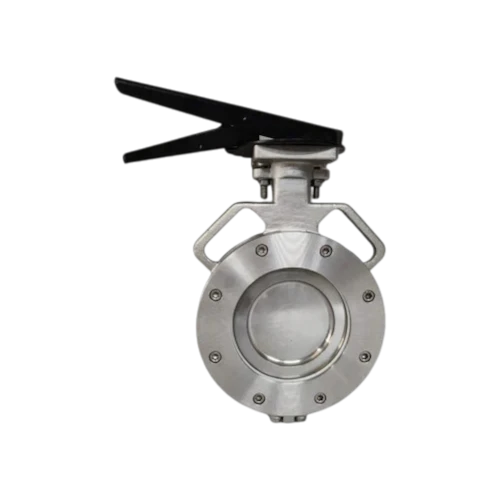
Durable Spherical Disc Butterfly Valve with Replaceable Seal Leave a comment
In the rapidly evolving world of industrial flow control, the Spherical Disc Butterfly Valve with Replaceable Seal has emerged as a game-changing solution for applications demanding precision, longevity, and maintenance efficiency. This advanced valve technology combines innovative spherical disc geometry with field-replaceable sealing elements to deliver unmatched performance across diverse industrial sectors. This comprehensive guide explores everything you need to know before you buy spherical disc butterfly valve systems for your critical applications.
Understanding the Spherical Disc Butterfly Valve
What Makes Spherical Disc Design Superior?
Unlike conventional flat-disc butterfly valves, the Spherical Disc Butterfly Valve features a precisely contoured disc surface that matches the spherical geometry of the valve body and seat. This revolutionary design creates several critical advantages:
Enhanced Sealing Performance: The spherical disc maintains continuous contact with the seat throughout the entire closing stroke, eliminating the compression-only sealing mechanism of traditional designs. This results in bubble-tight shut-off even at low differential pressures.
Reduced Operating Torque: The streamlined spherical profile minimizes disc-to-seat friction during rotation, requiring 30-40% less actuation torque compared to conventional butterfly valves of equivalent size.
Extended Seal Life: Uniform pressure distribution across the sealing surface prevents localized wear patterns, significantly extending seal service life from typical 3-5 years to 7-10 years in standard applications.
Bidirectional Sealing: The symmetrical spherical design provides equal sealing performance regardless of flow direction, making installation more flexible and reducing error potential.
The Replaceable Seal Advantage
The replaceable seal feature elevates the Spherical Disc Butterfly Valve with Replaceable Seal to a superior investment category:
Reduced Lifecycle Costs: When you purchase spherical disc butterfly valve with replaceable seals, you eliminate the need for complete valve replacement when seals wear. Field replacement takes 1-2 hours versus days of downtime for valve changeout.
Minimal Inventory Requirements: Stock replacement seal kits rather than entire valve assemblies, reducing capital tied up in spare parts by 60-75%.
Environmental Sustainability: Extend valve body service life to 25-30 years while replacing only consumable components, significantly reducing industrial waste.
Operational Flexibility: Upgrade seal materials for changing service conditions without replacing the entire valve assembly. Transition from EPDM to Viton or PTFE based on evolving process requirements.
Spherical Disc Butterfly Valve Specifications: Technical Overview
Critical Design Parameters
When evaluating spherical disc butterfly valve specifications, understanding these technical factors ensures optimal selection:
Pressure Ratings:
- PN10 to PN40 (Class 150 to Class 300)
- Working pressure: 10 bar to 40 bar (145 psi to 580 psi)
- Vacuum service capability: down to 0.01 mbar absolute
- Pressure-temperature derated per ASME B16.34
Temperature Capabilities:
- Standard elastomer seals: -20°C to +120°C (-4°F to +248°F)
- High-temperature seals (Viton): -15°C to +200°C (5°F to +392°F)
- PTFE/graphite seals: -200°C to +450°C (-328°F to +842°F)
- Fire-safe designs available per API 607 and BS 6755
Size Range:
- DN50 (2″) to DN3000 (120″)
- Wafer, lug, and flanged body styles
- Short face-to-face dimensions per ISO 5752 Series 20/14
- Weight reduction of 20-30% versus gate valves
Body Materials:
- Cast iron (GG25, ASTM A126)
- Ductile iron (GGG40, GGG50, ASTM A536)
- Carbon steel (WCB, ASTM A216)
- Stainless steel (CF8, CF8M, CF3M)
- Duplex and super duplex for corrosive environments
Disc Materials:
- Ductile iron with EPDM coating
- Stainless steel 316 (standard)
- Duplex stainless steel (UNS S31803)
- Nickel aluminum bronze for seawater
- Hard-faced options for erosive services
Seal Material Options:
- EPDM (ethylene propylene): Water, steam, acids, alkalis
- NBR (nitrile): Oils, fuels, hydraulic fluids
- Viton (FKM): Chemicals, solvents, high temperatures
- PTFE: Universal chemical resistance, high/low temperatures
- Silicone: Food grade, pharmaceutical applications
- Metal seats: Fire-safe, high-temperature applications
Connection Standards:
- Wafer style: ISO 5211 actuation interface
- Lug type: Independent flange connection capability
- Flanged: ASME B16.5, DIN, JIS, BS standards
- Grooved: Victaulic-compatible for rapid installation
Why Choose the Best Spherical Disc Butterfly Valve
Performance Advantages
When you order spherical disc butterfly valve systems, you benefit from:
Superior Flow Characteristics: The spherical disc profile creates a Cv value 15-20% higher than conventional designs at equivalent sizes, reducing system pressure drop and energy consumption.
Minimal Turbulence: Computational fluid dynamics (CFD) analysis shows 40% reduction in downstream turbulence compared to flat-disc valves, protecting sensitive downstream equipment and reducing cavitation risk.
Precise Throttling: The spherical geometry delivers near-linear flow characteristics across 20-80% opening range, providing excellent modulating control with standard actuators.
Zero Leakage: When properly maintained, achieves ISO 5208 Rate A or API 598 zero leakage classification, making it suitable for emission-critical applications.
Reduced Water Hammer: Gradual disc-to-seat engagement during closing minimizes pressure transients, protecting piping systems and extending component life.
Application Versatility
The Best spherical disc butterfly valve excels across industries:
Water & Wastewater: Municipal treatment plants, distribution networks, pumping stations, desalination facilities
HVAC Systems: Chilled water, hot water, condenser water, district heating/cooling
Chemical Processing: Acid handling, solvent transfer, reactor feed systems, polymer production
Power Generation: Cooling water circuits, condensate systems, ash handling, flue gas desulfurization
Pulp & Paper: Stock preparation, white water systems, chemical recovery, coating applications
Mining & Minerals: Slurry transport, tailings management, process water, concentrate pipelines
Food & Beverage: Sanitary processing, CIP systems, ingredient transfer, beverage production
Marine & Offshore: Ballast systems, seawater cooling, fire protection, bilge discharge
Spherical Disc Butterfly Valve Price: Investment Analysis
Cost Factors
The spherical disc butterfly valve price varies based on multiple parameters:
- Valve Size: Exponential cost increase above DN600 due to material and machining requirements
- Body Material: Stainless steel commands 3-4x premium over ductile iron
- Seal Type: PTFE seats cost 40-60% more than elastomer options
- Actuation: Pneumatic, electric, or hydraulic actuators add $200-$15,000
- Certifications: Fire-safe testing, PED compliance, or special approvals add 10-25%
- Accessories: Positioners, limit switches, solenoids increase overall investment
- Quantity: Volume discounts typically 15-30% for 10+ units
Price Range Guide (USD, 2026)
Wafer-Style Ductile Iron Body, EPDM Seal:
- DN50 (2″): $180-$320
- DN100 (4″): $320-$550
- DN150 (6″): $480-$820
- DN200 (8″): $720-$1,200
- DN300 (12″): $1,400-$2,400
- DN400 (16″): $2,600-$4,200
- DN500 (20″): $4,200-$6,800
- DN600 (24″): $6,500-$10,500
Lug-Style Stainless Steel (CF8M), Viton Seal (add 180-220%)
Fire-Safe Design with Metal Seats (add 60-90%)
When you get spherical disc butterfly valve quote, request detailed breakdown including:
- Valve body, disc, and shaft assembly
- Seal kit and installation tooling
- Actuator (if motorized)
- Testing certificates and documentation
- Spare seal kits
- Commissioning support
How to Buy Spherical Disc Butterfly Valve: Expert Guide
Step 1: Application Requirements Analysis
Before you shop spherical butterfly valves, document:
- Fluid characteristics (type, temperature, viscosity, solids content)
- Operating pressure and temperature ranges
- Flow rate requirements (minimum, normal, maximum)
- Pipe size, schedule, and flange rating
- Control mode (on-off vs. modulating)
- Cycle frequency and expected service life
- Environmental conditions and area classification
Step 2: Valve Selection and Sizing
Work with qualified engineers to:
- Calculate required Cv coefficient
- Determine optimal valve size (typically 1-2 sizes smaller than pipe)
- Select appropriate body and trim materials
- Specify seal material based on chemical compatibility
- Choose actuation method and sizing
- Define required certifications and testing
Step 3: Supplier Qualification
When searching for “spherical disc butterfly valve for sale,” evaluate:
Manufacturing Credentials:
- ISO 9001:2015 quality certification
- API 609 compliance for critical applications
- PED Category III approval for European installations
- Material traceability per EN 10204 3.1
Technical Support: A qualified spherical disc butterfly valve supplier should offer:
- Application engineering assistance
- Computational fluid dynamics (CFD) analysis for complex installations
- Seal material compatibility verification
- Actuator sizing and selection support
- Custom solutions for non-standard applications
After-Sales Service: When you purchase best spherical disc butterfly valve, verify:
- Comprehensive warranty (minimum 24 months)
- Spare parts availability and lead times
- Field service and commissioning support
- Training programs for maintenance personnel
- Emergency response capabilities
Step 4: Quality Verification
To successfully acquire spherical disc butterfly valve, request:
- Hydrostatic shell testing at 1.5x rated pressure
- Seat leakage testing per ISO 5208 or API 598
- Material test reports (MTR) for all pressure-containing components
- Dimensional inspection reports
- Coating thickness verification (if epoxy-coated)
- Actuator performance testing (if supplied)
Installation and Commissioning Best Practices
Proper Installation Guidelines
Maximize performance when you invest in spherical disc butterfly valve:
Pre-Installation:
- Verify valve orientation matches flow arrow (if uni-directional)
- Clean pipe thoroughly to remove welding slag, scale, and debris
- Check flange faces for damage, warping, or improper finish
- Verify bolt hole alignment before attempting installation
Installation Procedure:
- Support valve weight independently during installation
- Install gaskets according to seal material requirements
- Tighten bolts in star pattern to manufacturer torque specifications
- Verify disc rotates freely through full 90-degree travel
- Check clearance between disc edge and flange face at full open position
Actuation Connection:
- Align actuator ISO 5211 mounting pattern carefully
- Torque actuator mounting bolts to specification
- Verify actuator fails to safe position (typically closed)
- Set limit switches at 0° and 90° positions
- Calibrate positioner per manufacturer instructions
Seal Replacement Procedure
The replaceable seal advantage delivers maximum value through proper maintenance:
When to Replace Seals:
- Visible seal damage, cuts, or tears
- Increased leakage beyond acceptable limits
- After 10,000-15,000 operating cycles
- Changing to different fluid service
- Upgrading to higher temperature rating
Replacement Process (1-2 hours):
- Isolate and drain valve completely
- Remove actuator (if installed)
- Withdraw shaft and disc assembly
- Extract old seal using appropriate tooling
- Clean seal groove thoroughly
- Inspect for corrosion, damage, or wear
- Install new seal with proper lubrication
- Reassemble and torque fasteners
- Perform seat leakage test
When you order spherical disc butterfly valve replacement seals, always specify:
- Valve size and model number
- Current seal material
- Service conditions (temperature, pressure, fluid)
- Required certification (FDA, NSF, 3A, etc.)
Maintenance and Troubleshooting
Preventive Maintenance Schedule
Monthly:
- External visual inspection
- Check for unusual noises during operation
- Verify actuator air supply (pneumatic systems)
- Confirm position indication accuracy
Quarterly:
- Partial stroke testing (if in critical service)
- Lubrication of shaft bearings (if greasable design)
- Actuator function verification
- Review operating data for anomalies
Annually:
- Full stroke testing under operating conditions
- Seat leakage verification
- Actuator calibration check
- Update maintenance documentation
Every 5 Years:
- Complete overhaul including seal replacement
- Shaft bearing inspection and replacement
- Internal coating condition assessment
- Performance testing and recertification
Common Issues and Solutions:
Problem: External leakage at shaft penetration Solution: Tighten gland packing or replace shaft seals; verify shaft straightness
Problem: Excessive operating torque Solution: Check for debris on disc/seat; verify proper seal sizing; inspect for corrosion
Problem: Seat leakage beyond acceptable limits Solution: Replace seals; inspect for disc damage; verify proper actuation torque
Problem: Actuator fails to fully close valve Solution: Recalibrate limit switches; verify adequate supply pressure; check for mechanical binding
Future-Proofing Your Investment
Smart Valve Technology Integration
Modern spherical disc butterfly valve systems now integrate Industry 4.0 capabilities:
Digital Positioners: Foundation Fieldbus, HART, PROFIBUS communication for real-time diagnostics
Predictive Maintenance: Torque profiling and signature analysis to forecast seal replacement needs
Remote Monitoring: IoT connectivity for centralized asset management and performance tracking
Cybersecurity: Encrypted communication protocols compliant with IEC 62443 standards
Conclusion
The Spherical Disc Butterfly Valve with Replaceable Seal represents the pinnacle of butterfly valve technology in 2026, offering unmatched performance, longevity, and operational economy. Understanding spherical disc butterfly valve specifications, pricing dynamics, and maintenance requirements empowers informed purchasing decisions that optimize total cost of ownership.
Whether you’re upgrading existing systems or specifying new installations, choosing the best spherical disc butterfly valve from qualified suppliers ensures decades of reliable service. The replaceable seal feature transforms these valves from disposable components into long-term assets that adapt to changing process requirements.
Ready to buy spherical disc butterfly valve systems for your facility? Contact certified manufacturers and distributors today for application-specific recommendations, detailed technical specifications, and competitive quotations backed by comprehensive engineering support.
