
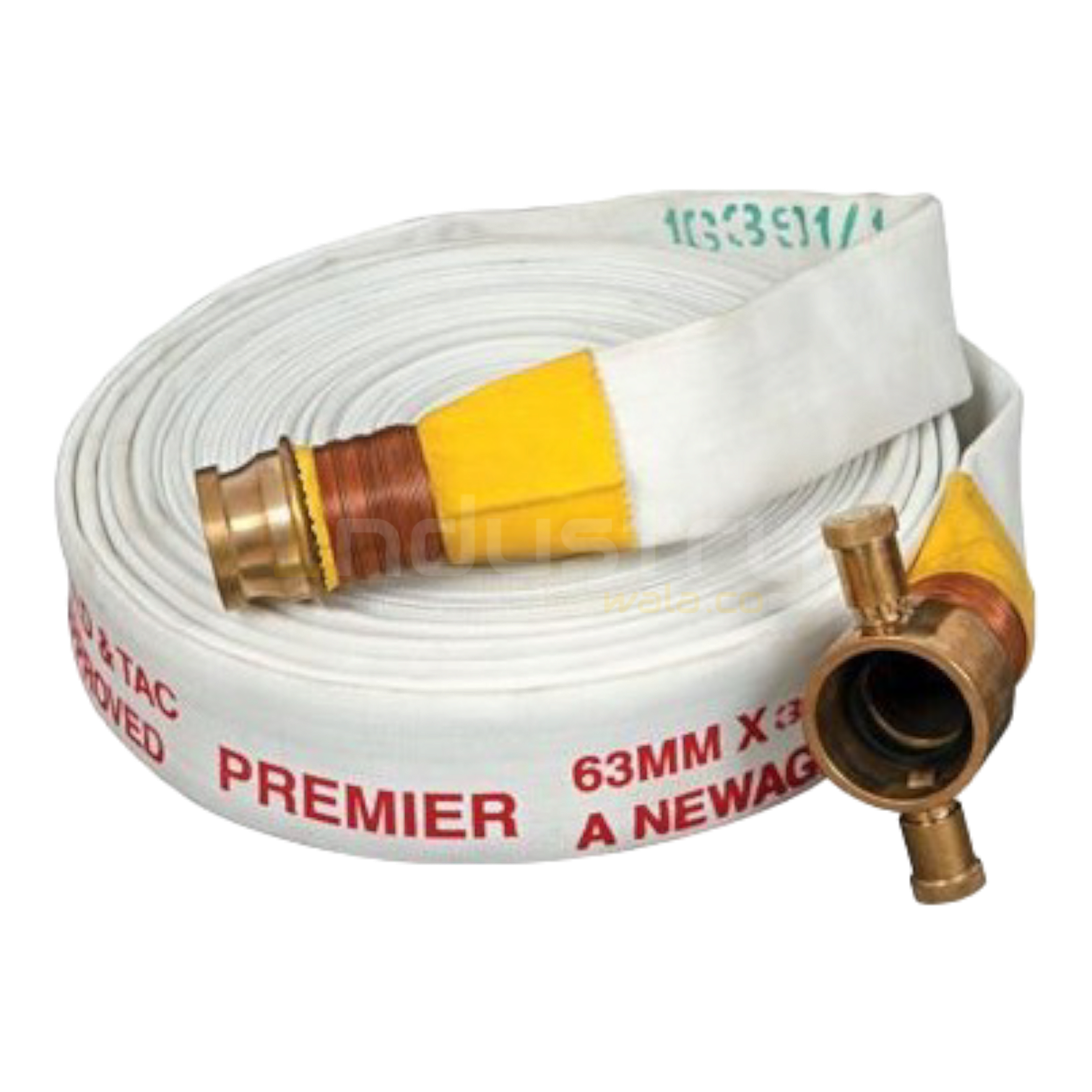
High-Performance RRL Type-A Fire Hose Pipe for Fire Fighting Leave a comment
When lives and property hang in the balance, fire safety equipment cannot be a compromise. The RRL Type-A Fire Hose Pipe represents the pinnacle of fire fighting technology, engineered to deliver reliable performance under the most demanding emergency conditions. This comprehensive pillar guide provides fire safety professionals, building managers, and procurement specialists with everything needed to understand, specify, and purchase the right fire hose solution for critical fire protection applications in 2026.
Understanding RRL Type-A Fire Hose Construction
The Hose Pipe RRL Type-A designation refers to a specific construction standard mandated by Indian Standards Institution (ISI) specifications for Rubber Lined (RL) fire hoses. The “RRL” nomenclature indicates Rubber-Rubber-Lined construction featuring a robust multi-layer design engineered for maximum durability and performance.
The construction consists of multiple critical layers working in concert. The inner tube utilizes synthetic rubber compounds—typically EPDM (Ethylene Propylene Diene Monomer) or nitrile rubber—providing smooth water flow and resistance to chemical degradation. This tube is reinforced with high-tenacity polyester or nylon yarn woven in a circular pattern, providing the structural strength to withstand working pressures up to 12 bar (174 PSI) and test pressures exceeding 24 bar (348 PSI).
The outer cover, also rubber-based, shields internal components from environmental damage including UV radiation, abrasion from dragging across rough surfaces, and exposure to oils, chemicals, and extreme temperatures. This sophisticated construction explains why the RRL Type-A fire hose remains the specification of choice for professional fire brigades, industrial fire protection systems, and commercial building installations across India and internationally.
ISI Marked Fire Hose Specifications: Compliance and Quality
Understanding ISI marked fire hose specifications ensures your procurement meets regulatory requirements and safety standards. The Bureau of Indian Standards (BIS) enforces stringent requirements for fire hoses under IS 636 specifications, which govern materials, construction, performance, and testing protocols.
Diameter Options: Available in 40mm (1.5″), 50mm (2″), 63mm (2.5″), and 75mm (3″) internal diameters. The 63mm variant represents the most common specification for building fire protection systems, balancing flow capacity with handling ease.
Length Standards: Manufactured in standard 15-meter and 30-meter lengths, with coupling assemblies attached at both ends. Custom lengths can be specified for special applications, though standard lengths ensure compatibility with fire brigade equipment.
Working Pressure: Type-A hoses are rated for 12 bar (174 PSI) working pressure with a 2:1 safety factor, providing reliable performance under actual firefighting conditions where pressure surges and water hammer effects occur.
Test Pressure: Each hose undergoes hydrostatic testing at 24 bar (348 PSI) for minimum 5 minutes without leakage, bursting, or permanent deformation. This rigorous testing validates structural integrity before deployment.
Burst Pressure: Minimum burst pressure of 36 bar (522 PSI) ensures substantial safety margins beyond normal operating conditions.
Coupling Specifications: Equipped with instantaneous (quick-connect) type couplings conforming to IS 903 standards, manufactured from gunmetal or aluminum alloy. These couplings enable rapid connection under emergency conditions even when firefighters wear protective gloves.
When you buy ISI certified fire hose, you’re purchasing equipment validated through comprehensive testing protocols that verify performance, durability, and safety across multiple parameters.
Applications Across Fire Protection Scenarios
The versatility of the RRL Type-A Fire Hose Pipe makes it indispensable across diverse fire protection applications:
Commercial Building Fire Protection: Office complexes, shopping malls, hospitals, and educational institutions rely on RRL Type-A hoses in fire hose cabinets throughout buildings. The combination of durability and flexibility ensures reliable operation even after years of storage.
Industrial Fire Safety Systems: Manufacturing facilities, chemical plants, refineries, and warehouses face unique fire risks requiring robust firefighting equipment. The chemical resistance and high-pressure capability of RRL Type-A hoses address these demanding environments.
Municipal Fire Brigades: Professional firefighting services specify RRL Type-A hoses for their apparatus due to proven reliability under extreme conditions including freezing temperatures, intense heat exposure, and rough handling during emergency operations.
Marine Applications: Ships, offshore platforms, and port facilities utilize RRL Type-A hoses resistant to saltwater exposure and capable of withstanding marine environmental conditions.
Residential High-Rise Buildings: Modern apartment complexes and condominiums incorporate fire hose systems with RRL Type-A hoses as primary fire suppression equipment accessible to residents and first responders.
Infrastructure Projects: Airports, railway stations, metro systems, and large public venues require extensive fire protection networks using standardized, reliable hose equipment.
The fire fighting rubber hose construction proves equally effective whether combating Class A fires (ordinary combustibles), Class B fires (flammable liquids), or as the first line of defense in Class C electrical fire scenarios when de-energized.
Performance Advantages Over Alternative Fire Hose Types
Comparing the RRL Type-A fire hose against alternative designs reveals clear performance distinctions:
Superior Durability: The rubber outer cover withstands abrasion far better than canvas or synthetic fabric covers, critical when hoses are dragged across concrete, gravel, or debris-strewn emergency scenes.
Chemical Resistance: Unlike cotton-jacketed hoses that degrade when exposed to oils, fuels, or industrial chemicals, RRL construction maintains integrity across diverse contamination scenarios.
Weather Resistance: Rubber construction resists UV degradation, preventing premature aging during outdoor storage. Temperature tolerance from -30°C to +70°C ensures functionality across climatic extremes.
Dimensional Stability: The synthetic reinforcement maintains hose diameter under pressure, preventing ballooning or kinking that restricts water flow during critical operations.
Low Maintenance Requirements: Rubber hoses require minimal care compared to canvas alternatives needing regular drying and conditioning to prevent mildew and deterioration.
When you purchase Type-A fire hose, you’re selecting technology proven across decades of firefighting operations worldwide.
Selecting the Right Fire Fighting Hose Pipe Supplier
Your choice of fire fighting hose pipe supplier impacts product quality, compliance documentation, and long-term support. Evaluate potential suppliers using these essential criteria:
ISI Certification Verification: Demand proof of BIS licensing with current certification documents. Counterfeit hoses lacking proper certification pose life-threatening risks during emergencies. Verify the ISI license number directly with BIS before large purchases.
Manufacturing Standards: Quality manufacturers implement stringent quality control throughout production, from raw material inspection through final pressure testing. Request factory audit reports or third-party quality certifications.
Material Traceability: Reputable suppliers provide complete material certificates documenting rubber compounds, reinforcement yarns, and coupling materials. This documentation proves specification compliance and enables failure analysis if issues occur.
Testing Capabilities: Suppliers should demonstrate in-house or certified third-party testing facilities for pressure testing, aging tests, and dimensional verification.
Stock Availability: Emergency replacement needs require suppliers who stock RRL fire hose inventory across common sizes for immediate dispatch, not extended manufacturing lead times.
Technical Support: Access to application engineering assistance helps optimize hose specifications for your specific building codes, occupancy types, and hazard classifications.
Warranty Terms: Comprehensive warranties covering manufacturing defects and premature failure demonstrate supplier confidence in product quality.
Working with an authorized fire hose distributor ensures genuine ISI-marked products backed by proper documentation and technical support.
Installation and Maintenance Best Practices
Proper installation and maintenance maximize your RRL Type-A Fire Hose Pipe service life and ensure emergency readiness:
Storage Requirements: Install hoses in dedicated fire hose cabinets protecting them from physical damage, UV exposure, and contamination. Cabinet design should allow smooth deployment without tangling or kinking.
Mounting Method: Use proper hose racks or folding techniques specified by manufacturers. Avoid sharp bends or crimps that create weak points. The fire hose reel installation should position hoses for rapid access during emergencies.
Coupling Care: Inspect couplings quarterly for thread damage, gasket deterioration, and locking mechanism function. Replace damaged components immediately as coupling failure during firefighting creates dangerous situations.
Pressure Testing Schedule: Conduct annual pressure tests at 1.5 times working pressure (18 bar) for 5 minutes to verify continued integrity. Document all testing with dates, pressures, and inspector identification.
Visual Inspection: Monthly inspections should identify cuts, abrasions, coupling looseness, or signs of chemical contamination. Any hose showing damage must be removed from service immediately and sent for fire hose repair services or replacement.
Cleaning Procedures: After use or contamination, flush hoses thoroughly with clean water and allow complete drying before storage. Never store wet hoses as moisture promotes internal degradation.
Service Life: Even with proper maintenance, replace fire hoses per manufacturer recommendations—typically 10 years for building installations, 5-7 years for fire brigade service involving heavy use.
Buy RRL Type-A Fire Hose Pipe: Purchasing Considerations
When you’re ready to buy RRL Type-A fire hose pipe equipment, several factors influence total project costs:
Quantity Requirements: Building size, occupancy classification, and local fire codes determine hose quantities. Multi-story buildings typically require hoses on every floor with maximum travel distances not exceeding 30 meters from any point.
Diameter Selection: Higher-risk occupancies or buildings exceeding certain heights may mandate 63mm or 75mm hoses instead of standard 50mm sizes. Larger diameters increase both material costs and storage space requirements.
Coupling Material: Gunmetal couplings offer superior durability and corrosion resistance but cost 20-30% more than aluminum alloy alternatives. Consider lifecycle costs and environmental exposure when specifying coupling materials.
Accessories: Factor costs for fire hose cabinets, mounting racks, nozzles, branch pipes, and related equipment. The fire hose cabinet price varies from ₹3,000-₹15,000 depending on size, material, and features.
Delivery and Installation: Include logistics costs for delivery, especially for large projects requiring substantial quantities. Professional installation ensures compliance with building codes and optimal system performance.
The RRL Type-A fire hose price typically ranges from ₹1,500-₹4,500 per 15-meter length depending on diameter, with 63mm diameter hoses averaging ₹2,800-₹3,200. The fire fighting hose cost for complete building installations must include all associated components and installation labor.
Compliance with Building and Fire Safety Codes
Modern building codes mandate specific fire protection standards where the RRL Type-A Fire Hose Pipe plays central roles:
National Building Code (NBC): Specifies hose reel or first aid hose requirements based on building height, area, and occupancy classification. High-rise residential buildings exceeding 15 meters require hose systems on every floor.
Factory Act Requirements: Industrial facilities must maintain fire protection equipment proportionate to fire load and hazard classification. The industrial fire hose specifications often mandate Type-A construction for chemical resistance.
Local Fire Department Regulations: Municipal fire codes may impose additional requirements beyond national standards. Verify local specifications before procurement.
Insurance Requirements: Property insurers frequently mandate specific fire protection standards as policy conditions. Non-compliance may void coverage or increase premiums substantially.
Occupancy-Specific Standards: Hospitals, schools, hotels, and assembly occupancies face specialized requirements based on occupant vulnerability and evacuation challenges.
When you order fire safety equipment, ensure specifications align with all applicable codes and standards to avoid costly compliance failures during building inspections or insurance audits.
Where to Buy RRL Type-A Fire Hose Pipe
Multiple purchasing channels exist when you’re ready to purchase fire fighting hose:
Authorized Distributors: Provide guaranteed ISI certification, manufacturer warranties, and technical support. Ideal for large projects requiring engineering assistance and compliance documentation.
Fire Safety Equipment Specialists: Companies dedicated to fire protection products offer comprehensive solutions including hoses, cabinets, extinguishers, and complete system design. Their expertise helps optimize specifications and ensure code compliance.
Online Industrial Suppliers: Enable price comparison and specification research, though verification of ISI certification and supplier credibility requires diligence. When you buy fire hose online, confirm certification before payment.
Direct Manufacturer Purchase: For developers, contractors, or facilities managing multiple properties, establishing direct relationships with manufacturers may provide cost advantages on large-volume orders.
Government Procurement Platforms: Public sector projects typically require procurement through GeM (Government e-Marketplace) or tender processes following prescribed procedures.
For critical life-safety applications, working with established suppliers who supply ISI fire hose with verifiable credentials protects against counterfeit products and ensures regulatory compliance.
Making Your Specification and Purchase Decision
The High-Performance RRL Type-A Fire Hose Pipe for Fire Fighting represents proven technology protecting lives and property across diverse applications. As you prepare to specify and order RRL fire hose, compile complete requirements:
- Building classification and occupancy type
- Required hose quantities and locations
- Diameter and length specifications
- Coupling material preferences
- Storage cabinet requirements
- Compliance documentation needs
- Budget parameters and delivery timelines
- Maintenance and testing service requirements
Request detailed quotations from qualified suppliers, evaluating total value including product quality, certification authenticity, technical support, and warranty terms. The fire hose supplier you select becomes a partner in maintaining building safety and regulatory compliance for years to come.
In 2026’s demanding regulatory environment, the RRL Type-A Fire Hose Pipe continues delivering the reliability and performance that fire safety professionals trust when seconds count and lives depend on equipment that works perfectly every single time.
