
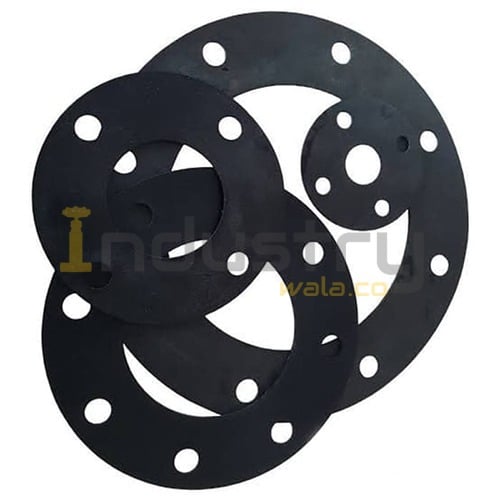
Ring Cut Gaskets: Types, Uses & Benefits Leave a comment

Introduction
In the world of industrial sealing solutions, ring cut gaskets stand out as versatile, cost-effective components that prevent leaks and ensure operational integrity across countless applications. From plumbing systems to heavy machinery, these precisely manufactured sealing elements play a crucial role in maintaining pressure, containing fluids, and protecting equipment. This comprehensive guide explores the various types of ring cut gaskets, their diverse applications, and the numerous benefits they offer to industries worldwide.
What Are Ring Cut Gaskets?
Ring cut gaskets are flat sealing components manufactured by cutting specific shapes from gasket material sheets using dies, water jets, or laser cutting technology. Unlike molded gaskets, ring cut gaskets are produced through a subtractive process that allows for precise dimensions and quick customization. These gaskets typically feature circular, ring-shaped designs, though the term can also apply to other cut gasket shapes. The “ring cut” designation refers both to the circular form and the cutting manufacturing method used to create these essential sealing components.
Common Types of Ring Cut Gaskets
Understanding the different types of ring cut gaskets helps you select the right solution for your specific application.
1. Full Face Ring Cut Gaskets
Full face ring cut gaskets cover the entire flange face, including bolt holes. These gaskets provide maximum sealing surface area and excellent load distribution, making them ideal for applications with lower bolt loads or flanges that may not be perfectly flat. The extended coverage of full face ring cut gaskets offers superior protection against edge blowout and provides additional support to weaker flange materials.
2. Ring Type Gaskets (Inside Bolt Circle)
These ring cut gaskets fit within the bolt circle and seal only the pressure-containing area. Ring type gaskets are commonly used with raised face flanges and provide excellent sealing with minimal gasket material. This design concentrates compression force on the sealing area, creating high unit pressure for effective sealing even in demanding applications.
3. Flat Ring Cut Gaskets
Basic flat ring cut gaskets without special profiles are the most economical and widely used type. These simple yet effective gaskets work well in low to medium pressure applications and can be manufactured from virtually any gasket sheet material. Their simplicity makes them easy to install and replace.
4. Metal Ring Cut Gaskets
Manufactured from materials like stainless steel, copper, or aluminum, metal ring cut gaskets handle extreme temperatures and pressures. These robust gaskets resist chemical attack and maintain integrity in harsh environments where non-metallic materials would fail.
5. Composite Ring Cut Gaskets
Composite ring cut gaskets combine multiple materials to achieve specific performance characteristics. Common composites include metal-reinforced fiber materials, laminated constructions, and multi-layer designs that balance sealing capability with compressibility.
6. Soft Material Ring Cut Gaskets
Made from rubber, PTFE, or fiber materials, soft ring cut gaskets excel in applications requiring high conformability. These gaskets adapt to surface irregularities and provide excellent sealing at lower bolt loads, making them suitable for plastic flanges or delicate equipment.
Materials Used in Ring Cut Gaskets
The material selection for ring cut gaskets directly impacts performance and suitability:
Non-Asbestos Fiber Materials offer excellent chemical resistance and temperature tolerance. These ring cut gaskets serve as modern replacements for asbestos gaskets while providing comparable performance.
Rubber Materials including Nitrile (NBR), EPDM, Neoprene, and Viton provide flexibility and excellent sealing in dynamic applications. Rubber ring cut gaskets accommodate thermal expansion and vibration effectively.
PTFE (Teflon) delivers outstanding chemical resistance across nearly all substances. PTFE ring cut gaskets maintain integrity from cryogenic temperatures to 500°F and resist corrosive chemicals.
Graphite withstands extreme temperatures and pressures while maintaining flexibility. Graphite ring cut gaskets are standard in high-temperature steam, exhaust, and process applications.
Metal Materials such as stainless steel, copper, brass, and aluminum provide maximum strength and temperature resistance. Metal ring cut gaskets are essential for extreme service conditions.
Common Uses and Applications of Ring Cut Gaskets
Ring cut gaskets serve critical functions across numerous industries:
Plumbing and Water Systems
In residential and commercial plumbing, ring cut gaskets seal pipe flanges, valve connections, and pump housings. These gaskets prevent water leaks while withstanding constant pressure and temperature fluctuations.
Oil and Gas Industry
Refineries, pipelines, and processing facilities rely on ring cut gaskets to contain hydrocarbons, process chemicals, and high-pressure fluids. These gaskets must withstand aggressive chemicals, extreme temperatures, and high pressures.
Chemical Processing
Chemical plants use specialized ring cut gaskets manufactured from chemically resistant materials. These gaskets maintain seal integrity when exposed to acids, bases, solvents, and corrosive compounds.
Power Generation
Power plants employ ring cut gaskets in steam systems, cooling water circuits, and fuel handling equipment. These gaskets withstand high temperatures and pressures while maintaining long-term reliability.
Food and Beverage Industry
FDA-compliant ring cut gaskets made from food-grade materials seal processing equipment, storage tanks, and transfer lines. These gaskets prevent contamination while resisting cleaning chemicals and sanitizers.
HVAC Systems
Heating, ventilation, and air conditioning equipment uses ring cut gaskets in compressors, heat exchangers, and refrigerant lines. These gaskets accommodate temperature cycling and vibration.
Automotive and Transportation
Vehicles utilize ring cut gaskets in engines, transmissions, exhaust systems, and hydraulic components. These gaskets must handle extreme temperatures, vibration, and exposure to fuels and oils.
Marine Applications
Ships and offshore platforms use corrosion-resistant ring cut gaskets to seal piping systems, valves, and equipment exposed to saltwater environments.
Key Benefits of Ring Cut Gaskets
Ring cut gaskets offer numerous advantages that make them the preferred choice in many applications:
1. Cost-Effectiveness
Ring cut gaskets are economical to manufacture, especially for standard sizes and materials. The cutting process is efficient and generates minimal waste, keeping costs low even for custom specifications.
2. Quick Customization
Custom ring cut gaskets can be produced rapidly to match specific requirements. Whether you need unique dimensions, special materials, or non-standard thicknesses, cutting technology accommodates modifications quickly.
3. Wide Material Selection
Ring cut gaskets can be manufactured from virtually any gasket material available in sheet form. This flexibility allows precise material matching to application requirements.
4. Dimensional Accuracy
Modern cutting methods produce ring cut gaskets with exceptional dimensional precision. Accurate dimensions ensure proper fit and reliable sealing performance.
5. Versatility
Ring cut gaskets work effectively across diverse applications, pressure ranges, and temperature conditions. This versatility simplifies inventory management and sourcing.
6. Easy Installation
The straightforward design of ring cut gaskets facilitates quick, simple installation. Maintenance personnel can replace these gaskets efficiently, minimizing downtime.
7. Reliable Sealing Performance
When properly selected and installed, ring cut gaskets provide dependable leak-free sealing. Their proven track record spans decades across countless industries.
8. Minimal Maintenance
Quality ring cut gaskets require little attention once installed. They maintain seal integrity through normal operating conditions with minimal degradation.
9. Environmental Resistance
Appropriate material selection allows ring cut gaskets to resist chemicals, weathering, UV exposure, and environmental factors that might compromise sealing.
10. Availability
Standard ring cut gaskets are widely available from multiple suppliers, ensuring quick replacement and competitive pricing.
Selection Considerations for Ring Cut Gaskets
Choosing the right ring cut gaskets requires evaluating several factors:
Pressure and Temperature conditions determine material requirements and gasket design. Higher pressures may require thicker or reinforced ring cut gaskets.
Chemical Compatibility is crucial for preventing gasket degradation. The gasket material must resist all substances it contacts during service.
Flange Type and Surface Finish influence gasket style selection. Rough surfaces require softer, more conformable ring cut gaskets.
Bolt Load Availability affects gasket thickness and material choice. Limited bolt loads necessitate softer ring cut gaskets that seal at lower compression.
Conclusion
Ring cut gaskets represent an essential sealing solution that balances performance, economy, and versatility. Their widespread use across industries testifies to their reliability and effectiveness in preventing leaks and maintaining system integrity. By understanding the types, applications, and benefits of ring cut gaskets, engineers and maintenance professionals can make informed decisions that optimize equipment performance while controlling costs. Whether in routine plumbing applications or demanding industrial processes, ring cut gaskets continue to prove their value as indispensable components in modern fluid and gas handling systems.
