
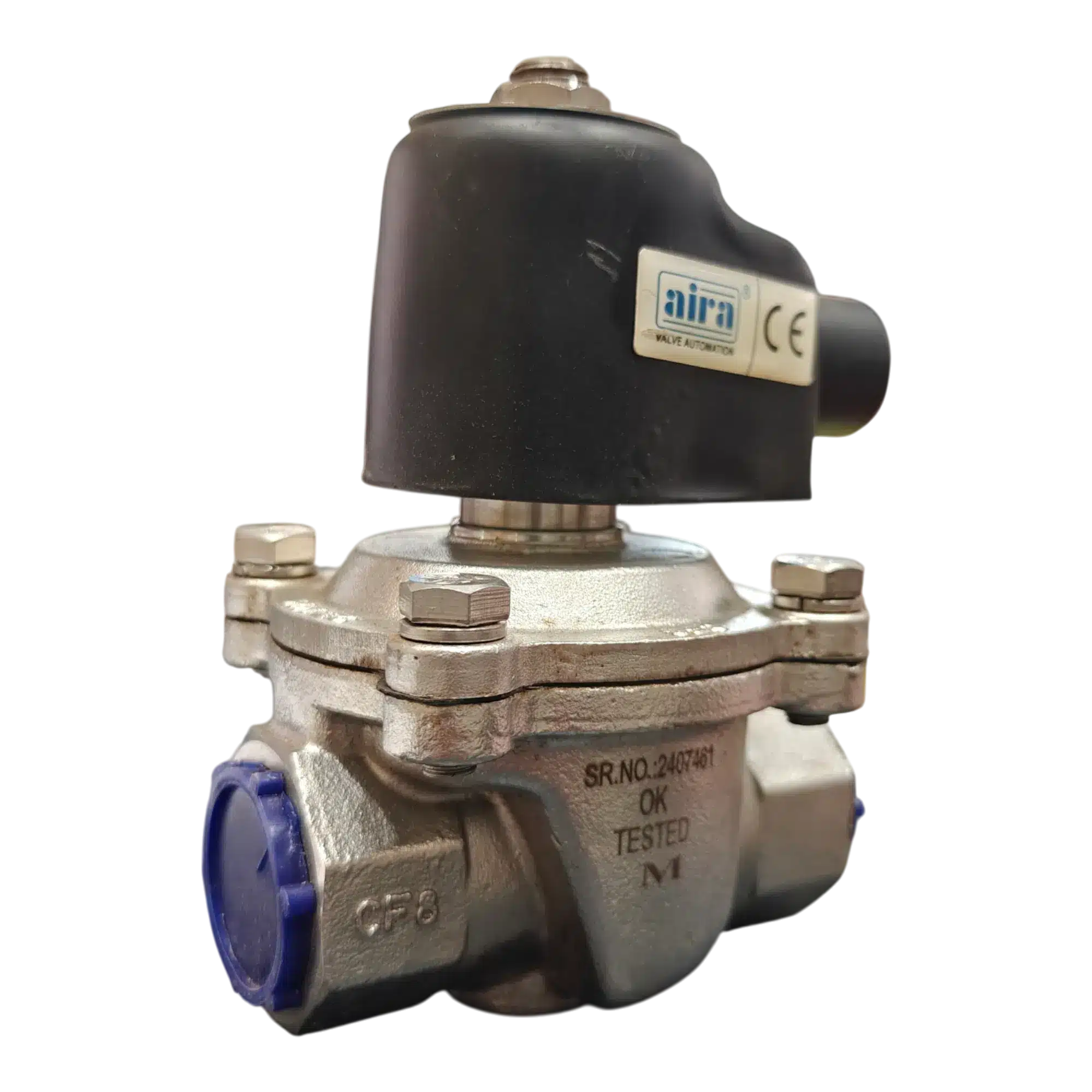
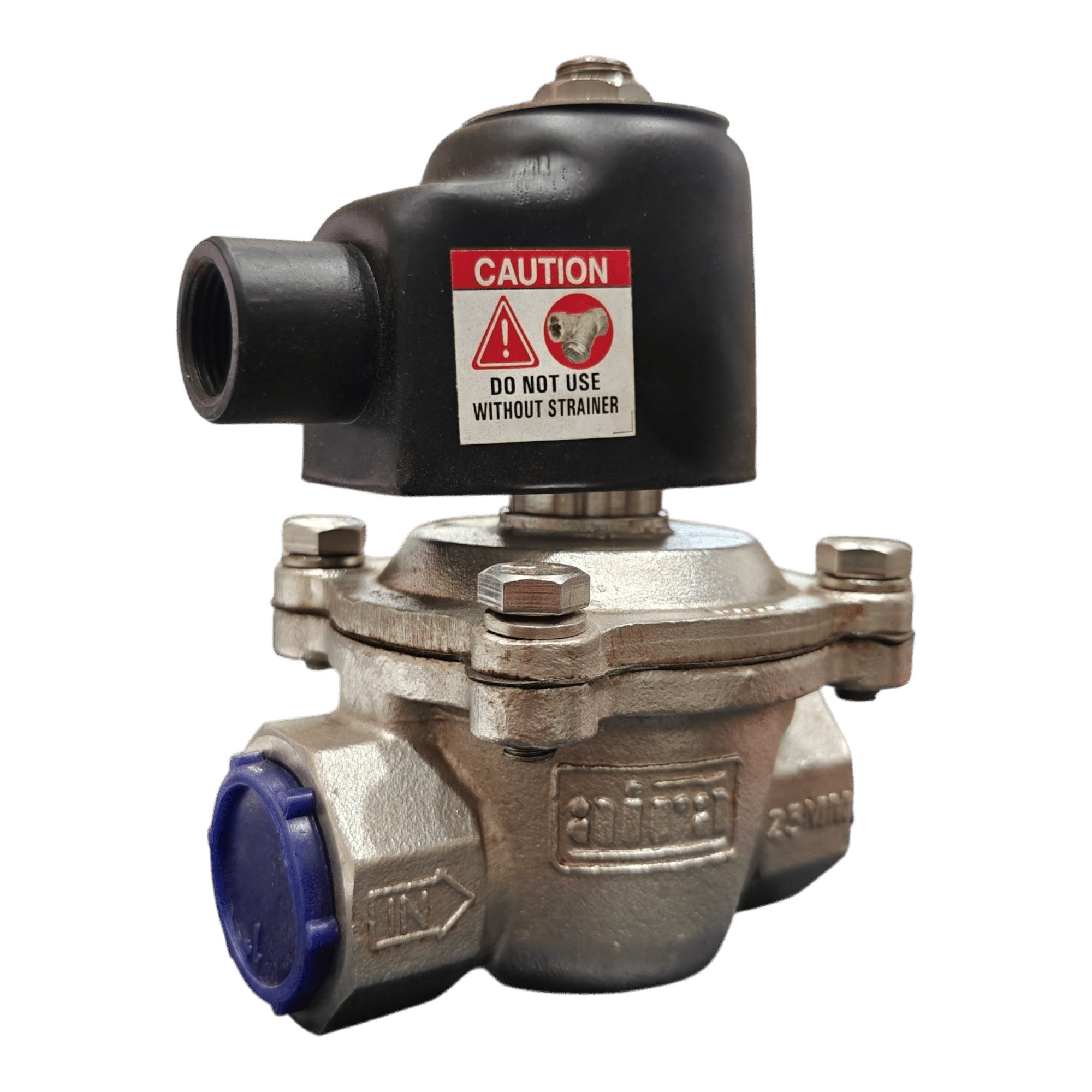
Diaphragm Type Solenoid Valve For Low pressure Aira GSD 1/2″ to 2″
This Solenoid valve works at gravitational pressure that is, 0kg pressure is required to operate this valve.
Brand : Aira
Model : GSD
Body MOC : CF8
Diaphragm : Nitrile
Media : Air, Water, Oil and Gas
Pressure : 0 to 5KG/Cm2
Temeprature : Upto 85C
For more types of solenoid valves, click here.
Price range: ₹2,533 through ₹7,001 Exclusive GST
You save (%)
Product Overview
The Diaphragm Type Solenoid Valve from the Aira GSD Series is specially designed for low-pressure applications that require smooth, reliable, and automatic fluid control. Available in sizes from 1/2″ to 2″, this valve delivers consistent performance for water, air, light oil, and other compatible fluids. Its diaphragm-operated design ensures efficient flow control with minimal pressure loss, making it an excellent choice for industrial automation, water treatment, irrigation systems, and process industries.
The Diaphragm Type Solenoid Valve combines durable construction, dependable sealing, and easy installation to provide long-lasting performance even in demanding industrial environments.
Key Features
- Designed for low-pressure fluid control applications
- Available in sizes from 1/2″ to 2″
- High-quality diaphragm for leak-proof operation
- Fast and reliable opening and closing action
- Suitable for water, air, light oil, and compatible fluids
- Low power consumption with efficient performance
- Corrosion-resistant construction for extended service life
- Compact design for easy installation and maintenance
- Excellent sealing performance with minimal maintenance
- Ideal for continuous industrial operation
Technical Specifications
| Parameter | Specification |
|---|---|
| Product Name | Diaphragm Type Solenoid Valve |
| Brand | Aira |
| Model | GSD Series |
| Valve Type | Diaphragm Type |
| Size Range | 1/2″ to 2″ |
| Pressure | Low Pressure |
| Media | Water, Air, Light Oil & Compatible Fluids |
| Operation | Normally Closed |
| Application | Industrial Fluid Control Systems |
Working Principle
The Diaphragm Type Solenoid Valve operates using an electromagnetic coil and a flexible diaphragm. When the solenoid coil is energized, the diaphragm lifts and allows fluid to flow through the valve. Once the power supply is switched off, the diaphragm returns to its original position, stopping the flow instantly. This simple yet effective mechanism ensures reliable operation, quick response, and efficient fluid control.
Applications
The Diaphragm Type Solenoid Valve is widely used in:
- Industrial automation systems
- Water treatment plants
- Irrigation systems
- Air compressor lines
- Pneumatic equipment
- Food and beverage processing
- Chemical processing plants
- HVAC systems
- Fluid handling equipment
- Manufacturing industries
Performance Benefits
The Diaphragm Type Solenoid Valve provides stable performance with low operating pressure, making it suitable for applications where reliable fluid control is essential. The Aira GSD Series offers excellent durability, quick response time, and dependable sealing performance.
Among the important Aira GSD solenoid valve features are efficient diaphragm operation, long service life, low maintenance requirements, and high flow efficiency. Businesses comparing different industrial valves often consider the Aira diaphragm valve comparison because of its dependable quality, smooth operation, and cost-effective performance.
Conclusion
The Diaphragm Type Solenoid Valve for Low Pressure Aira GSD 1/2″ to 2″ is an ideal solution for industries that require accurate, efficient, and reliable fluid control. Its robust diaphragm design, excellent sealing capability, and low-pressure performance make it suitable for a wide range of industrial applications. Choose the Aira GSD Series for dependable quality, long service life, and efficient fluid management that keeps your operations running smoothly.
Frequently Asked Questions (FAQs)
1. What is a Diaphragm Type Solenoid Valve?
A Diaphragm Type Solenoid Valve is an electrically operated valve that uses a flexible diaphragm to control the flow of water, air, light oil, and other compatible fluids in industrial systems.
2. What are the main Aira GSD solenoid valve features?
The Aira GSD solenoid valve features include low-pressure operation, durable diaphragm construction, leak-proof sealing, low power consumption, quick response time, and long service life.
3. Where is the Diaphragm Type Solenoid Valve commonly used?
The Diaphragm Type Solenoid Valve is commonly used in water treatment plants, irrigation systems, pneumatic equipment, industrial automation, HVAC systems, and manufacturing industries.
4. Can I buy Aira GSD solenoid valve for industrial projects?
Yes, you can buy Aira GSD solenoid valve products for industrial automation, OEM applications, water treatment systems, and fluid control projects through authorized suppliers.
5. What affects the Aira GSD solenoid valve price?
The Aira GSD solenoid valve price depends on factors such as valve size, material, quantity, operating pressure, and application requirements.
5 reviews for Diaphragm Type Solenoid Valve For Low pressure Aira GSD 1/2″ to 2″
 Diaphragm Type Solenoid Valve For Low pressure Aira GSD 1/2″ to 2″
Related products
-
Automated Valves, Pneumatic Actuator Operated Valves, Pneumatic Actuator Valves, Pneumatics, Valves
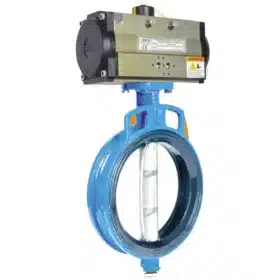
Pneumatic Actuated Butterfly Valve Aira ECG PN-10 11/2″ to 12″
 Automated Valves, Pneumatic Actuator Operated Valves, Pneumatic Actuator Valves, Pneumatics, Valves
Pneumatic Actuated Butterfly Valve Aira ECG PN-10 11/2″ to 12″
Model : ECG
Body : Cast Iron
Seat : NBR
Pressure : PN10
Leakage Class : Class VI
Temperature : Upto 70C
Media : Cement / Powder / Water / AirSKU: 975e8c549b58 -
Automated Valves, Pneumatic Actuator Operated Valves, Pneumatic Actuator Valves, Pneumatics, Valves
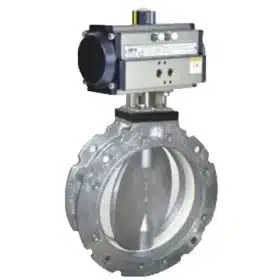
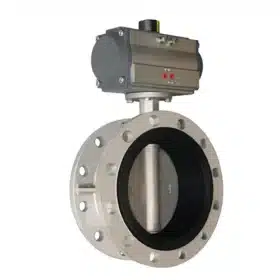
Pneumatic Actuator Operated Butterfly Valve For Cement with Both Side Flange Aira CMD 4″ to 12″
 Automated Valves, Pneumatic Actuator Operated Valves, Pneumatic Actuator Valves, Pneumatics, Valves
Pneumatic Actuator Operated Butterfly Valve For Cement with Both Side Flange Aira CMD 4″ to 12″
Model : CMD
Body : Aluminium
Disc : WCB with Epoxy Coating
Seat : NBR
Pressure : Gravity
Temperature : Upto 80C
Media : Cement / PowderView Catalogue for this valve here.
SKU: 7d96fb917848
I found this Aira GSD solenoid valve extremely reliable. If you’re comparing different types of solenoid valves, this diaphragm model is perfect for smooth and efficient control. Very satisfied.
The Aira GSD diaphragm valve is one of the best types of solenoid valves I’ve used. Perfect for low-pressure applications and works smoothly without any leakage. Industrywala delivered it quickly too!
Great performance! This diaphragm type solenoid valve is ideal for low-pressure lines. Among all the types of solenoid options available, this one stands out for durability and accuracy.
This is one of the most effective types of solenoid valves for low pressure. The diaphragm action is smooth, and installation was quick. Industrywala provided great quality as always
Excellent quality valve! The diaphragm mechanism is ideal for low-pressure operations. Among all types of solenoid valves, this model is definitely a top choice. Highly recommended